
Pike, Bream and Brown Trout: Fishing in Cavan, the County Built on Water
Lough Ramor covers eight hundred hectares. That is about eleven hundred football pitches of water, sitting beside a town of five thousand people, and on a wet Tuesday in February you can have most of it to yourself.
Cavan angling has a strange reputation problem, in that the people who know about it best are frequently not Irish. For decades the county’s coarse and pike waters pulled anglers over from Britain, Germany, the Netherlands and Belgium, men who would book a guesthouse for a fortnight and fish from dawn until the light went. Meanwhile a good proportion of the Irish population grew up thinking of the lakes as somewhere to swim badly in July.
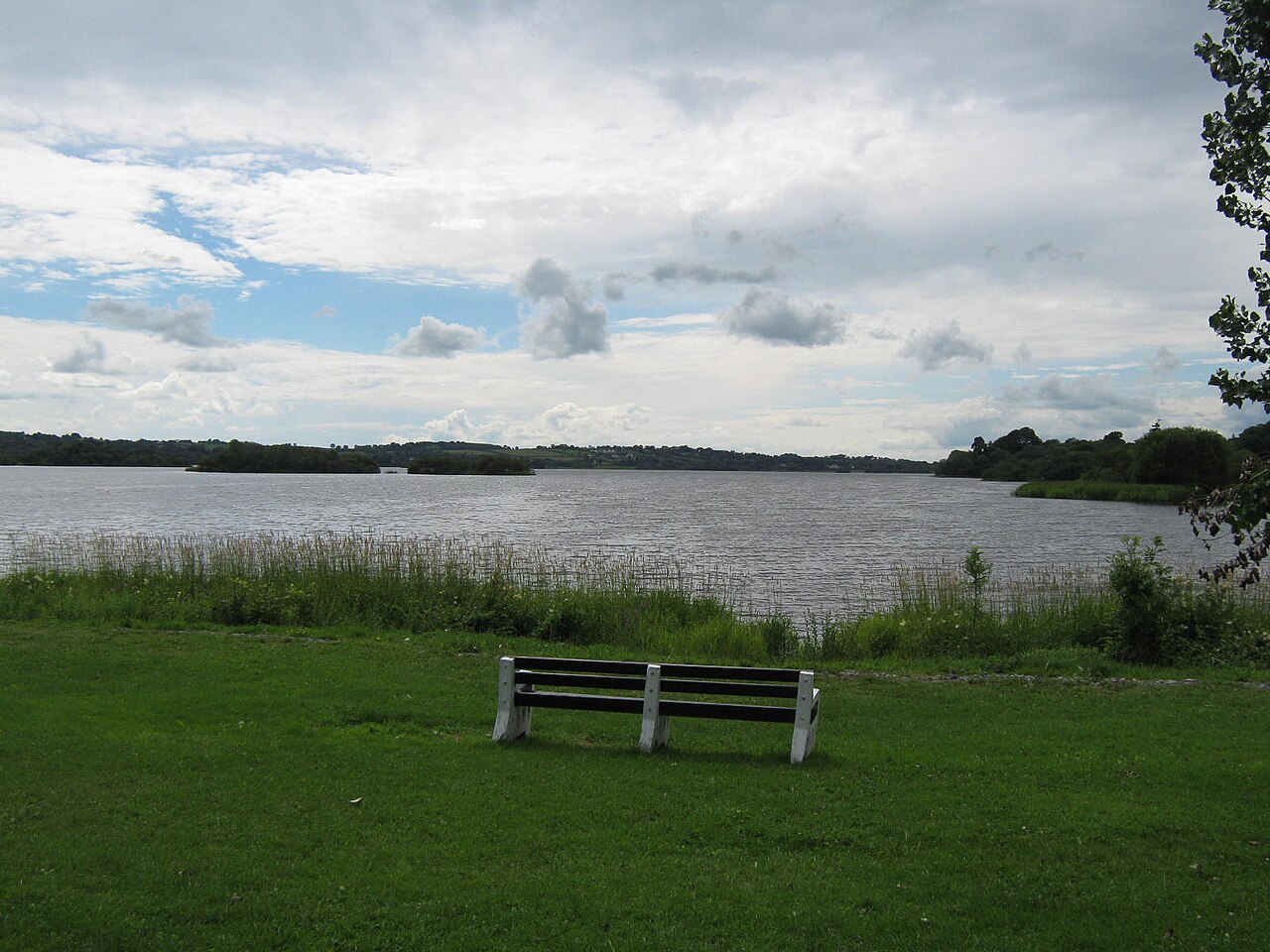
Lough Ramor, and the rule that protects it
Ramor is the biggest lake in the Virginia and Bailieborough area and it fishes well through the year. It is shallow at the southern end and depths over fifteen metres have been recorded around the northern end, which gives you two different fisheries in one body of water. It holds serious pike, and fish over twenty pounds are recorded with enough regularity that it stopped being news some time ago.
The southern venues are well known: Virginia itself, Coronagh, Knocknagartan, the spot by the Nine-eyed bridge, and the ground behind the GAA pitch. Access at Knocknagartan runs along a private road, so ask before you park across somebody’s gate.
There is also a bye-law here worth knowing before you unpack. Bye-law number 862 of 2009 provides for catch and release for coarse fish in the harbour area of Lough Ramor. It prohibits having any coarse fish or a keep net in or on the banks of that area and restricts angling for coarse fish to single barbless hooks. Read it as the lake telling you what it needs rather than the state telling you what you cannot do.
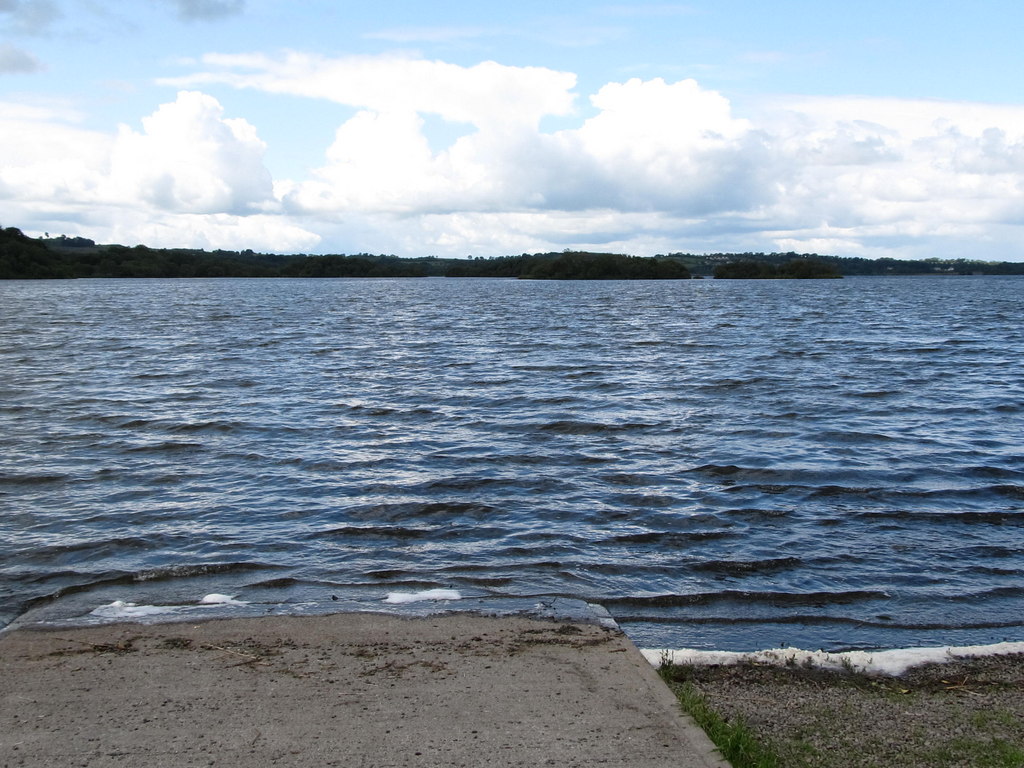
The smaller waters nobody writes about
The lakes around Virginia and Ballyjamesduff are where Cavan fishing gets interesting for anybody who prefers a small water to a big one. Nadrageel and Lackan, about two kilometres north of Ballyjamesduff, cover around a hundred hectares between them and are split by a heavily reeded channel. They hold pike, roach, rudd, hybrids and perch, and there are fishing stands with roadside access.
Then the small stuff. Cornaslieve Lough is under two hectares with depths to three and a half metres, tree lined on the western and eastern shores, and it holds pike that have no business being that size in a puddle that size. Dargans Lake is three hectares and seven metres deep with stands on the eastern shore. Galloncurra, five kilometres southwest of Bailieborough, is seven hectares and produces pike over twenty pounds for anglers fishing legered deadbaits.
The Ramparts River runs through Virginia and holds pike along with good bream, roach and perch, with access at the northern end of the town and stiles put in to make the bank walkable. It is a sheltered fishery and a pleasant one when the lake is blowing a gale.
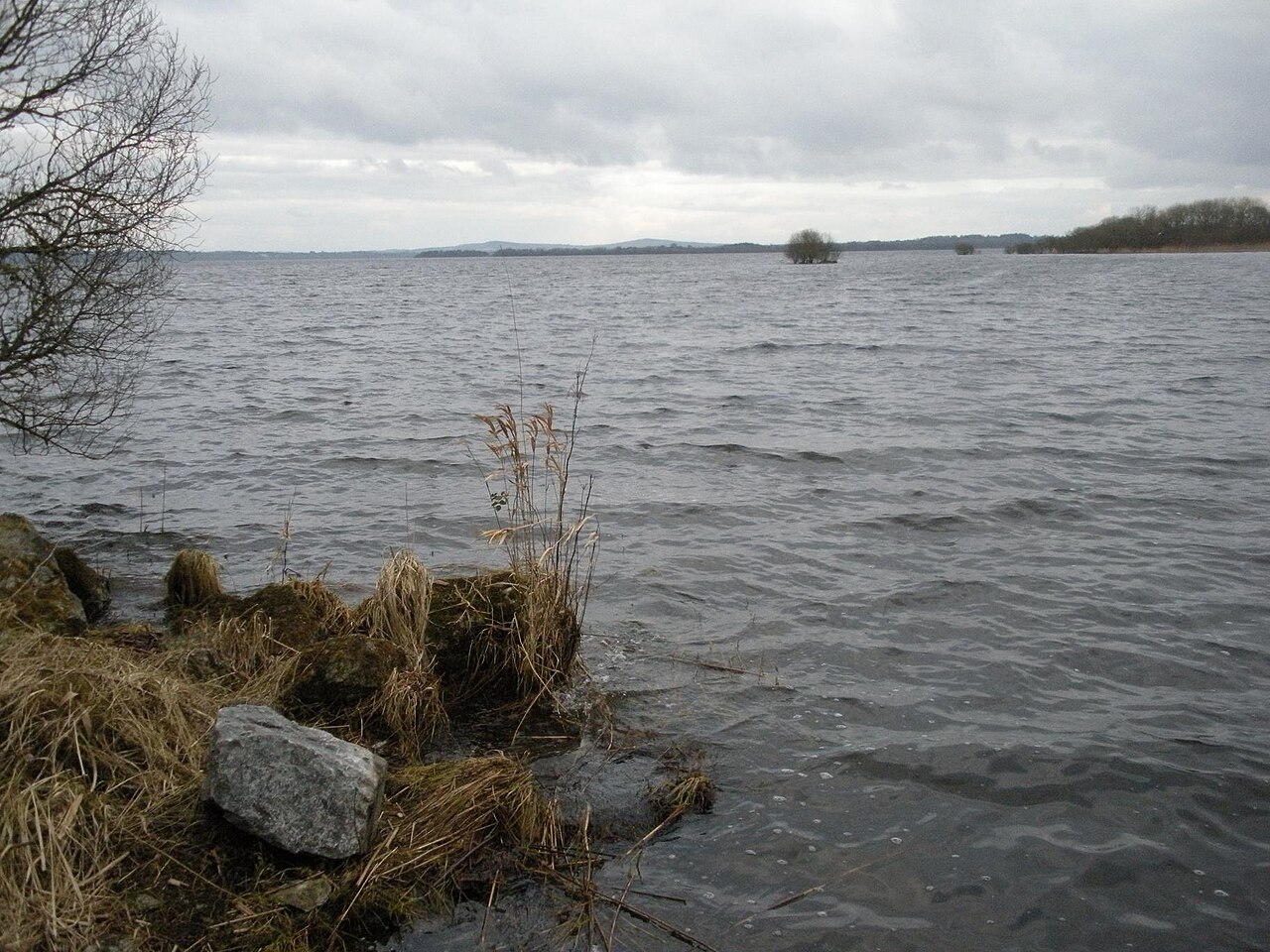
Sheelin, which is a different thing entirely
Lough Sheelin is seven kilometres long and somewhere between 1,855 and 1,900 hectares, and more than half of it lies in County Cavan. It is limestone water on the course of the River Inny, and its name comes from Loch Síodh Linn, the lake of the fairy pool, which is a better name than most lakes get.
It is a brown trout lake, not a pike lake, and it has a complicated history. At its peak it held somewhere between a hundred thousand and a hundred and twenty thousand brown trout. Nutrient loading, mostly phosphorus from intensive agriculture upstream, knocked that population back badly in the second half of the twentieth century. It has been the subject of long running remediation work since, and it remains the most famous trout water in the region, which is both a compliment and a warning about how fast a lake can change.
Boats, permits and the practical side
Most of the bigger Cavan lakes have boat hire, and there are ghillies and angling centres around Virginia and Bailieborough who will put you on fish and save you a fortnight of guessing. If you are coming from abroad, this is the difference between a good trip and an expensive one. The angling tourism trade built up here over decades and the infrastructure is still there, though thinner than it was in the 1990s.
Tackle is straightforward. Pike anglers generally fish deadbaits, lures or flies depending on the season and the water, and coarse anglers are fishing float, feeder or waggler for whatever is in front of them. Bring more weights than you think you need, because Irish lakes are windy and a lake that looks flat from the car park rarely stays that way. A landing net big enough for a twenty pound fish is not optional on pike water, and unhooking gear with you at all times saves a fish’s life and possibly a finger.
Seasons matter more than people expect. Pike fishing is at its best in the colder months, from autumn through to early spring, when the fish are feeding hard and the weed has died back. Coarse fishing picks up as the water warms through late spring and summer. The trout fishing on Sheelin has its own calendar built around the mayfly, and a good mayfly hatch on limestone water is one of the genuine spectacles of Irish angling.
What you need before you go
Salmon and sea trout require a State licence. Pike and coarse fishing generally does not, but many fisheries are privately held or managed and need a permit, and bye-laws on methods, baits and catch limits differ from water to water. Do not take a forum post from 2014 as the current position. Check with Inland Fisheries Ireland for the water you plan to fish, and if you are fishing with a guide or a club, they will already know.
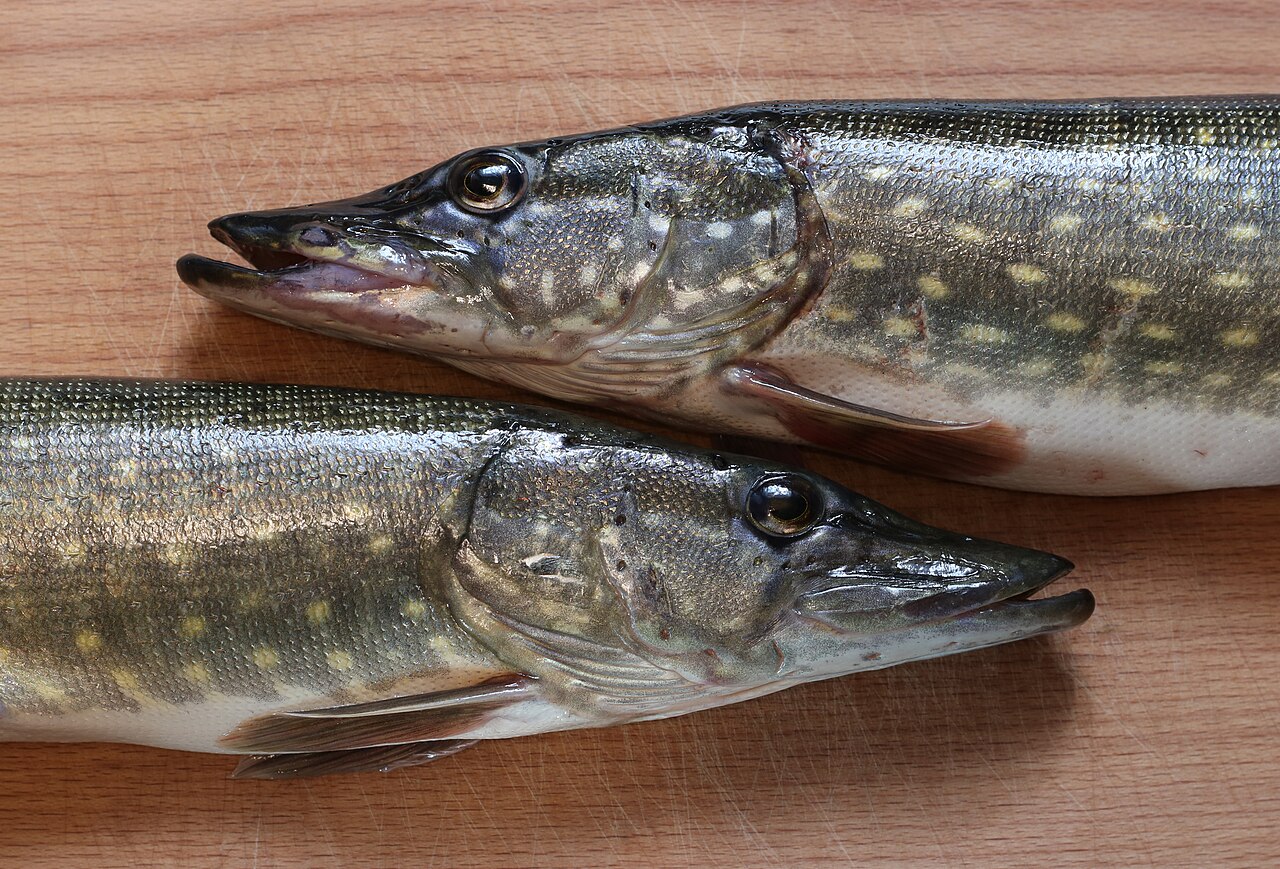
On handling: pike are delicate for a fish that looks like a fence post with teeth. Use a mat, wet your hands, support the belly rather than hanging the fish by the jaw, and keep it out of the water for as long as you can hold your breath. Most Cavan pike anglers release everything, and the fishing is better for it.
Cold water is the other thing. These lakes are deep and they are cold well into spring, and cold water shock kills people who are competent swimmers in warm water. Fish from the bank or from a boat with the right kit, tell somebody where you are going, and do not wade a lake you do not know.
Fish it in the right month and Cavan is as good as freshwater angling gets in these islands. Fish it in the wrong one and you will spend a long day looking at grey water, which is also a legitimate way to spend a day. If the weather turns and the fishing does not happen, Cavan town has a kitchen that will happily take the rest of the afternoon off your hands, and our takeaway page explains how to get it home before it goes cold.
Further reading
https://www.fisheriesireland.ie/
https://www.fishinginireland.info/