Best Pizza in Cavan: We’re Biased, But Hear Us Out
Asking where the best pizza in Cavan is a bit like asking a fisherman where the best fishing is. Everyone has an answer, most of them are wrong, and the correct one is delivered with the quiet confidence of someone who knows they’re right and is prepared to be patient about it.
This is the patient answer.
What makes a pizza worth the argument
There are two kinds of pizza in this world, and the difference is not the toppings. It’s the dough, and specifically how long the dough was allowed to be a dough. A pizza made from dough that was mixed an hour ago is a vehicle for toppings. A pizza made from dough that was proofed, rested, and developed over three days is a different species entirely — one with structure, flavour, and the sort of crust that makes you wonder why you ever accepted anything less.
The other thing is the oven. The Neapolitan tradition — the original one, from Naples, where the whole argument started — is a stone oven running at serious heat, cooking a pizza in a couple of minutes so the outside chars while the inside stays soft. It’s fast, it’s hot, and it’s unforgiving of bad dough, which is exactly why it sorts the real pizzerias from the places that just put cheese on bread.
The 72-hour rule
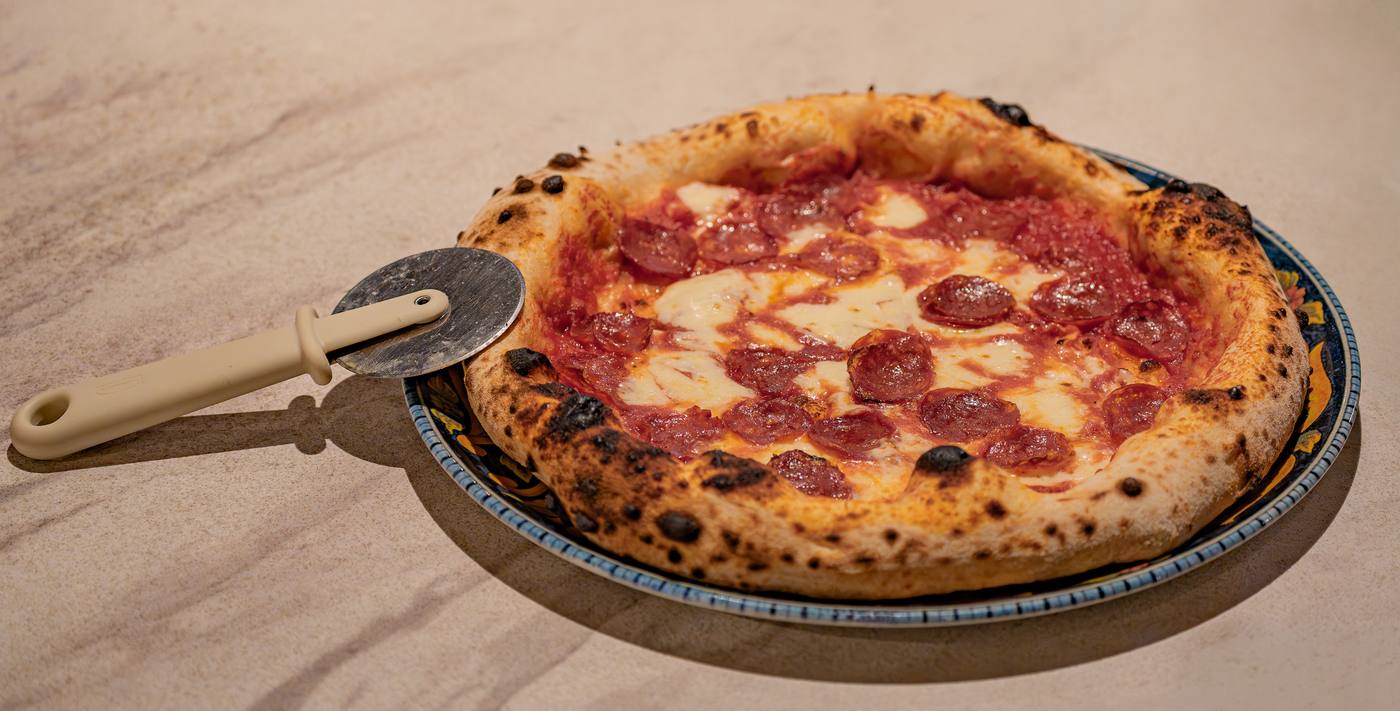
In Cavan town, there’s a place that takes this seriously enough to have made a religion of it. The dough at Luso is proofed over 72 hours before it goes anywhere near the oven. That’s three days of patience for a pizza that takes two minutes to cook. It is, frankly, the most committed relationship in the county.
The result is a sourdough base that’s light, properly charred around the edges, and strong enough to hold its toppings without turning into a biscuit. It’s the kind of pizza that doesn’t need a gimmick, because the dough is the gimmick, and the gimmick is three days old and worth every hour.
How to order like you know what you’re doing
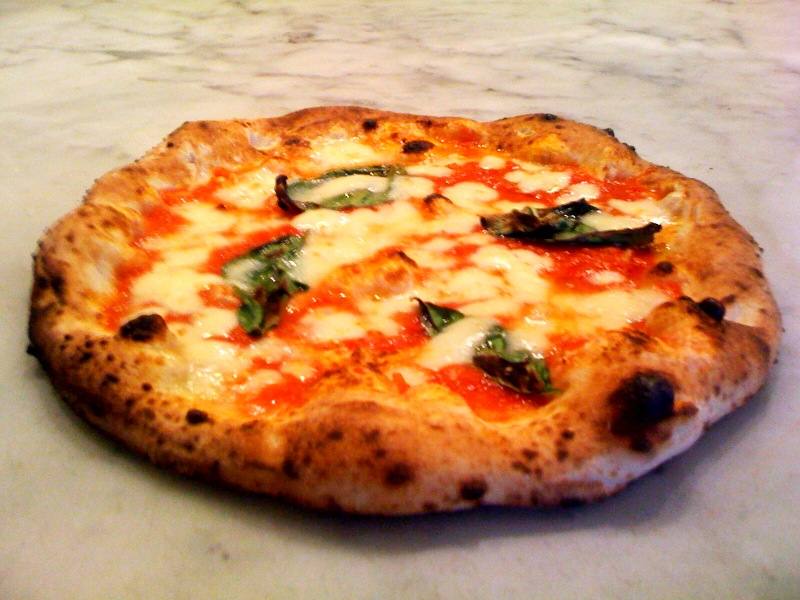
Start with the margherita. It’s the classic for a reason: tomato, mozzarella, basil, and nowhere to hide. If a pizzeria’s margherita is good, everything else follows. Then branch out — the menu at Luso has the usual suspects and the proper ones, and the kitchen has opinions, which is always a good sign.
Order the dough’s crust to the table. The leopard-spotted, blistered edge of a properly baked Neapolitan pizza is not a defect; it’s the report card. If it’s pale and soft, the oven wasn’t hot enough. If it’s black and bitter, somebody got distracted. The good stuff is somewhere in between, and you’ll know it when you see it.
And here’s the bit the purists won’t tell you: eat it fast. Neapolitan pizza is at its peak for about three minutes after it leaves the oven. Photograph it if you must, but the oven is not a studio, and the pizza is not a model. It’s a hot, honest thing that wants to be eaten.
Where pizza came from, briefly
The story everyone knows is that pizza as we understand it — the flatbread, the tomato, the mozzarella — was sorted out in Naples, and that the margherita was named in 1889 after Queen Margherita of Italy, whose favourite pizza had the colours of the Italian flag. Whether that royal visit happened exactly as told is a question historians enjoy arguing about, which is really the point of historians. What’s not in dispute is the style: Neapolitan pizza is the original, it’s cooked fast at high heat in a stone oven, and everything else is a variation on a theme that started there.
The sourdough thing is the other half of the story. Commercial yeast is quick and reliable, and it’s what most of the pizza you’ve eaten was raised with. Sourdough uses wild yeast and bacteria, develops slowly, and produces a crust with flavour and texture that quick dough can’t fake. It’s not better because it’s more fashionable. It’s better because it’s older, and it’s been winning arguments for a few thousand years.
The toppings, and the philosophy of restraint
A proper Neapolitan pizza is not a delivery vehicle for everything in the fridge. The base gets a modest amount of sauce, the mozzarella goes on in the right places, and the toppings are there to serve the dough. The reason the margherita is the test is that there’s nowhere to hide: three ingredients, one oven, and the truth comes out in the char.
That’s not to say the kitchen at Luso is austere. The menu has proper toppings, and the bar does craft beers and cocktails, which is the correct answer to the question of what to drink with pizza. Beer is the traditionalist’s choice. A cocktail is the modern compromise. Water is the admission that you’ve been here before.
The two ways to eat it
There’s a real difference between the dine-in experience and the takeaway, and both are valid. In the restaurant, the pizza arrives directly from the stone oven, at its absolute peak, and you eat it hot while the crust is still talking to you. The room is casual, the bar is fully stocked, and the staff have the calm of people who know the dough has been handled.
For takeaway, the sourdough crust is your friend, because it travels better than the fast stuff — the structure holds, and a good reheat in a hot pan or oven brings most of the magic back. The takeaway side at Luso is properly organised, which is the difference between a pizza that arrives like a warm hug and one that arrives like a regret.
And if you’re feeding a family, the place is built for it: vegan options exist, kids are properly welcome, and nobody will look at you sideways when the toddler redecorates the table with tomato sauce. A pizzeria that’s ready for children is a pizzeria that understands the real world.
Why this matters more than it should
There’s a reason pizza is the world’s most argued-about food, and it’s not the toppings. It’s that everyone has a memory of the pizza that made them understand what pizza could be. For a lot of people in Cavan, that memory now involves a stone oven and dough that waited three days for them.
If you’ve never had the real thing — the charred crust, the soft middle, the toppings that are there to serve the dough, not the other way around — then the answer to “where’s the best pizza in Cavan” is worth finding out for yourself. The full story of how it’s made is at https://luso.ie/sourdough-pizza-cavan/, the menu is at https://luso.ie/dine-in-menu/, and the home of the operation is, as ever, on the Luso website.
Bring an appetite, bring someone you like, and bring an open mind about charred crust. Three days of patience went into that pizza. The least you can do is enjoy it.
Further reading
https://en.wikipedia.org/wiki/Neapolitan_pizza