
Hidden Gems in Cavan: The Spots the Brochures Mention Last
Every county has its famous sights and its quietly famous sights. Cavan’s loudly famous ones — the Cuilcagh boardwalk, the lakes, the general wetness — get the attention. The quietly famous ones are better. They just require somebody to mention them, which is what this article is for.
None of these places involve a queue, a gift shop, or a laminated map you have to fold back the wrong way. All of them are worth the trip. Take them in any order, but take your time.
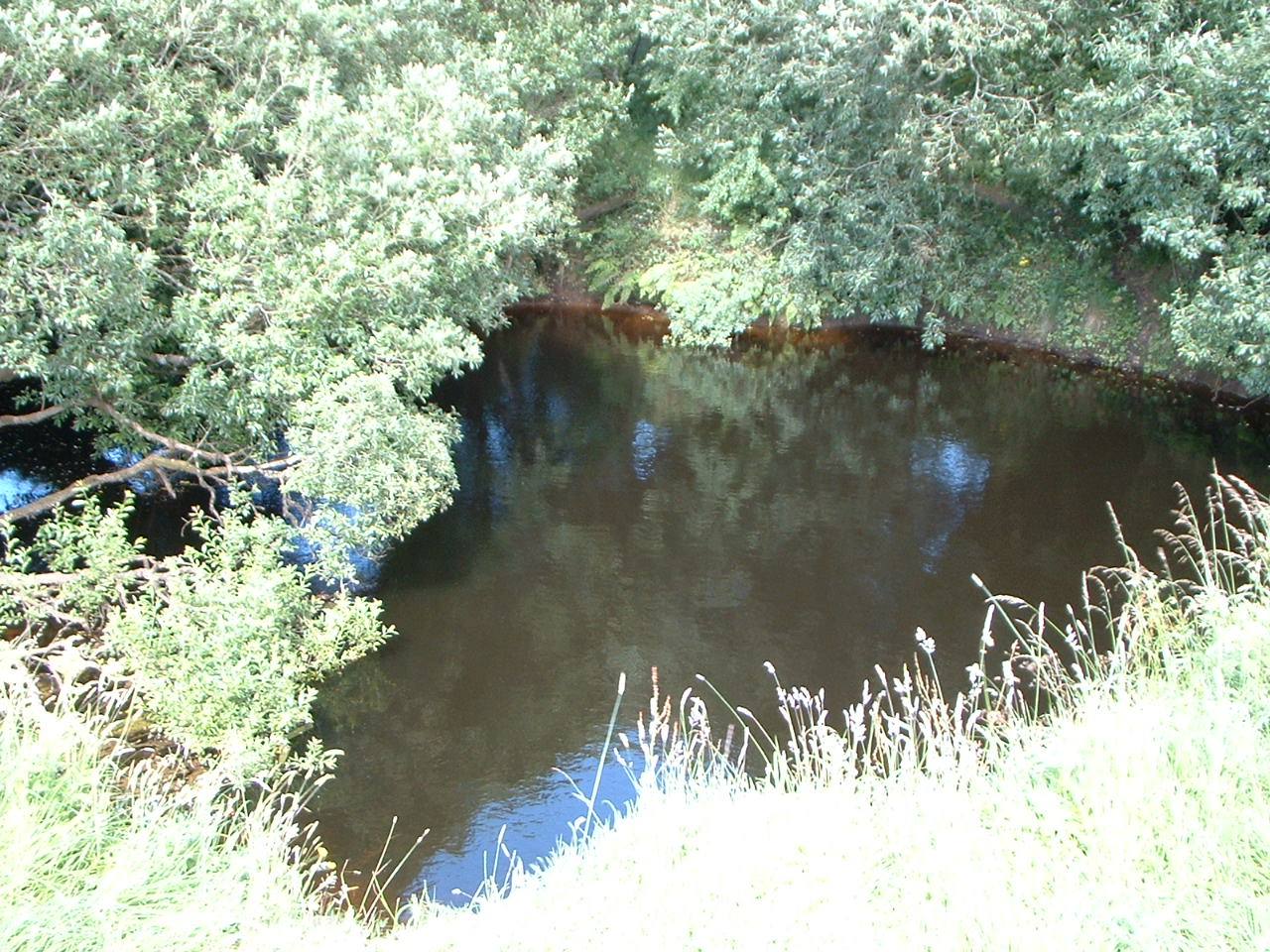
The Shannon Pot, where Ireland’s longest river starts as a puddle
In the foothills of Cuilcagh, in a townland called Derrylahan, there is a pool about sixteen metres wide that looks, to the untrained eye, like a pond that has overachieved. It is the Shannon Pot, the traditional source of the River Shannon, which means the water in that pool eventually flows past Athlone, past Limerick, and out to sea at Shannon, having first spent some time underground in the cave systems beneath the mountain.
Standing beside it is a strange experience. The river that carries more water than any other in these islands — the one people cross, and sing about, and write poetry to — starts here, in a quiet hollow, with no fanfare and no sign saying what you’re looking at until you’ve already seen it. There’s a walkway to it and a bit of interpretation, but mostly it’s just a pool doing its job. That’s the charm. You can visit the Shannon Pot and the Cuilcagh boardwalk in the same day, and you should, because the mountain’s rain makes the river, and the river makes the country’s geography make sense.
The Cavan Burren, where the last Ice Age left its homework
Up near Blacklion, on the western edge of the county, the Cavan Burren is a limestone landscape that the glaciers rearranged and the locals have been living with ever since. It’s a geopark site, which is official-speak for “the rocks here are so interesting they made them a park”, and it is scattered with the good stuff: portal tombs, wedge tombs, glacial erratics the size of houses that the ice dumped and then went home, and the general debris of several thousand years of human occupation.
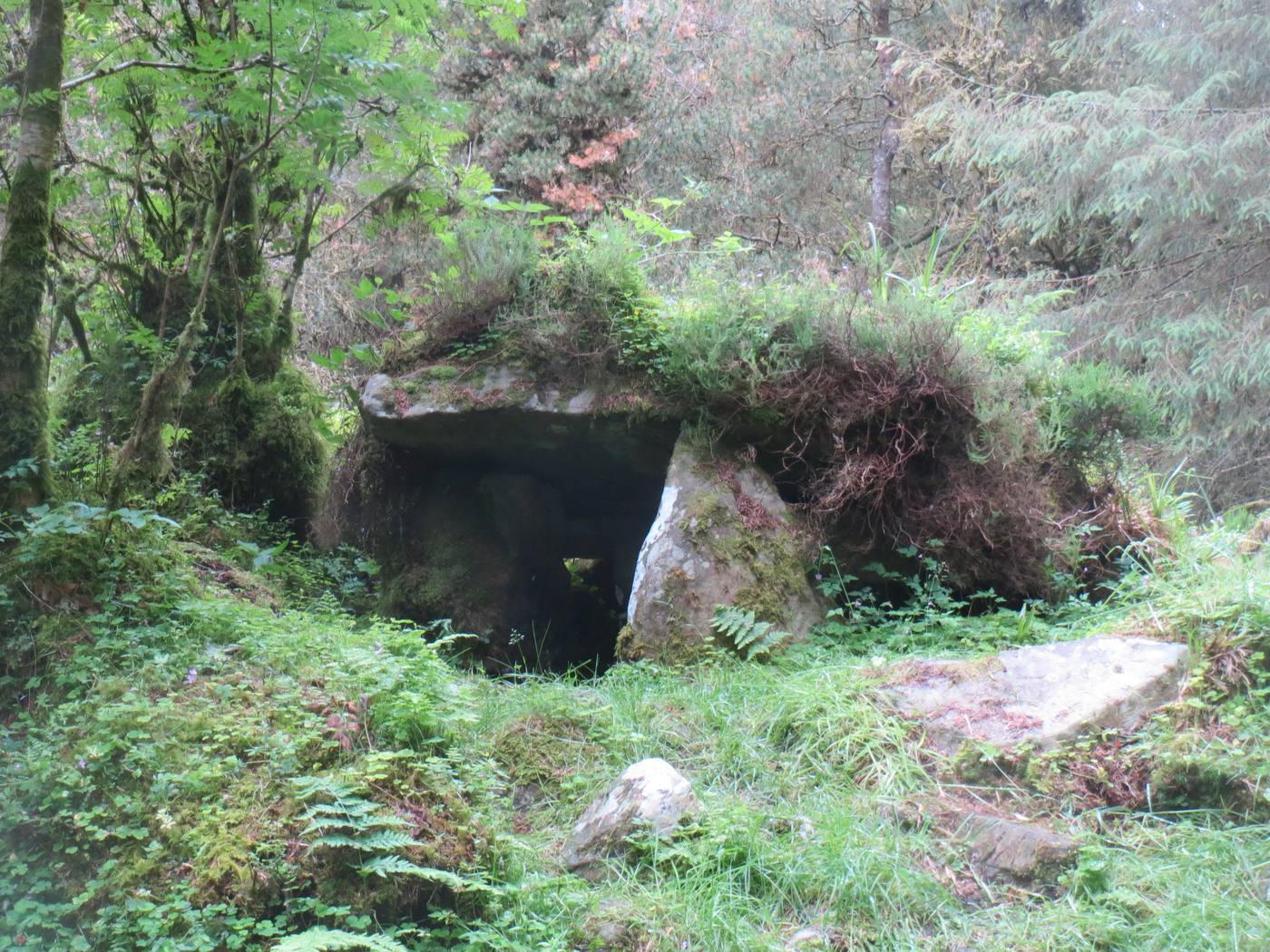
You can walk among the tombs without a guide, and the information boards are good enough that you’ll leave knowing the difference between a portal tomb and a wedge tomb, which is more than most people can say about anything. The paths are well kept, the views across to the Cuilcagh massif are ridiculous, and on a quiet weekday you may have the whole place to yourself, which is exactly how a 5,000-year-old graveyard should be experienced.
The Killycluggin Stone, minus the original
Somewhere near the village of Killycluggin, in the townland of the same name, there is a replica of an Iron Age stone that was discovered in 1921, broken into pieces and partly buried beside a stone circle, where it had probably stood for two thousand years. The original is now in the Cavan County Museum in Ballyjamesduff, pieced back together, decorated with La Tène designs and standing over six feet tall, which by Iron Age standards is practically a celebrity.
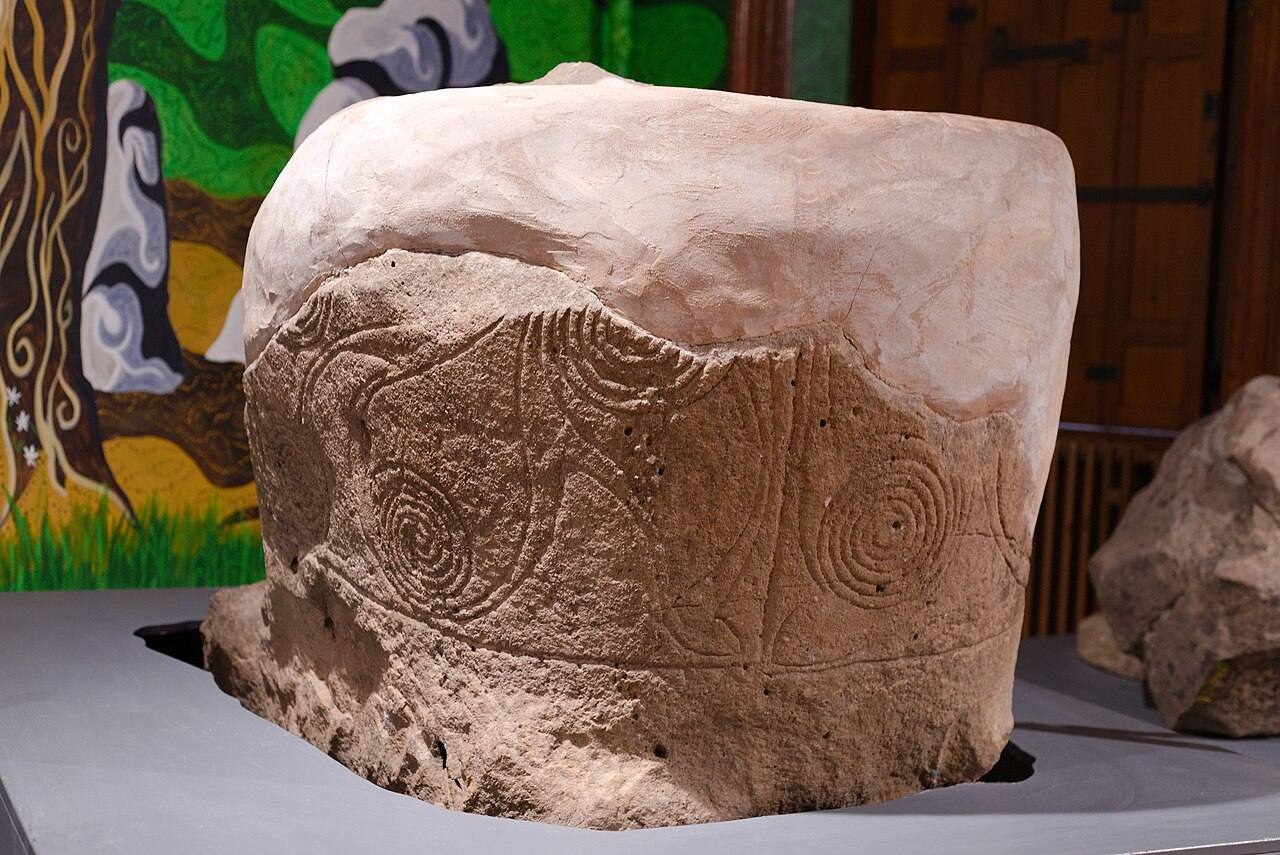
The story has a lovely detail: the stone was found near Tobar Padraig, St Patrick’s Well, and there are local traditions linking the site to the saint, which is how an Iron Age idol ends up with a Christian postcode. Go see the real one in the museum, then, if you’re feeling archaeological, drive out and pay your respects to the replica in the field. Both are worth it. The replica, standing in the rain beside the road, is possibly the most Cavan monument in existence.
Cloughoughter Castle, the island that surrendered last
Technically visible from the shore, practically better from a kayak, Cloughoughter Castle is a circular ruin on its own island in Lough Oughter, four kilometres east of Killeshandra. It was built for the O’Rourkes in the 12th and 13th centuries, besieged by Cromwell’s forces in 1653, and it was the last Confederate stronghold in Ireland to surrender. When the man in the kayak tells you this, you’ll believe him, because you’ll be looking at the cannon damage still visible in the walls.
There are boat hire outfits around the lough, and the paddle out is the sort of thing people remember for decades. The island is barely three hundred feet across, the water around it is deep, and the castle has been doing its impression of a film set since 1852, when a travel writer described it as “a beautiful ruin, round, massive, hoary, save where mantled with rich Irish ivy”. Some reviews never need updating.
Kilmore Cathedral’s doorway, which has seen things
A few miles southwest of Cavan town, Kilmore Cathedral is the kind of quiet that churches used to be before they were attractions. The name means “the great church”, and the current building, dating from 1860, sits near the site of a much older foundation, beside a Norman motte and bailey from 1211. But the real treasure is a Romanesque doorway from around 1170, set into the wall, eight and a half centuries old, and still doing its job. It was old when the Normans were new.
The cathedral also connects to one of the stranger threads of Irish history: William Bedell, the 17th-century bishop buried here, translated the Old Testament into Irish — a monumental job in an age when that sort of thing got you into trouble. There’s a churchyard to wander, and the position on its wooded hill, looking out over the drumlins, is the kind of view that makes you understand why people built cathedrals where they did.
You can see the whole thing in under an hour, and you should, because it’s the kind of place that makes you quietly grateful for the people who kept building over the centuries instead of giving up.
How to string them together
The gems are spread across the county, but they form a natural loop if you plan it right. Start at the Shannon Pot in the morning while the light is on the mountain, swing down to the Cavan Burren for a wander among the tombs, and finish the day at Cloughoughter with a kayak and the castle doing its impression of a postcard. The Killycluggin replica and the cathedral fit neatly into a second day, and both are close enough to Cavan town that the museum in Ballyjamesduff — where the real stone lives — is an easy stop between them.
None of it needs a tour bus, a guide, or an app. A car, a coat, and a willingness to follow small roads until they become smaller roads is the entire equipment list. The small roads are where the hidden gems are, which is why they’re called that.
The rules of the game
A few ground rules for hidden-gem hunting in Cavan. Check opening hours before you set off, because several of these places are staffed by the same people who run the county’s opening-hours lottery. Bring a camera, because the light here does things. And bring an appetite, because a day of puddles, tombs, and medieval doorways burns through the will to live on sandwiches alone.
When the hunger hits, there’s a restaurant in the middle of Cavan town that has been quietly doing its own thing since it opened — sourdough proofed for 72 hours, stone-baked, the whole honest business. The details are on the Luso website, and the takeaway menu at https://luso.ie/takeaway-cavan-town/ is the one to bookmark for the drive home.
The hidden gems of Cavan aren’t hidden because they’re shy. They’re hidden because nobody told you. Now somebody has. The rest is up to you and the weather.