When the All-Ireland Fleadh Came to Cavan (and Refused to Leave)
There is a version of Cavan town that exists for eleven months of the year: a county town you can walk the length of in twenty minutes, with more roundabouts than traffic and a main street that knows everyone on it. Then, for one week every August between 2010 and 2012, it became the most crowded place in Ireland.
The All-Ireland Fleadh Cheoil — the fleadh, if you are from anywhere within earshot of a fiddle — is the biggest traditional music festival on the planet. Run by Comhaltas Ceoltóirí Éireann since the first one in Mullingar in 1951, it is half serious competition and half week-long session that spills out of every pub, shop doorway and barber’s chair in the host town. About ten thousand musicians compete every year. Up to a quarter of a million people turn up. Nobody has ever agreed on an exact number, because by the Saturday nobody was in a state to count.
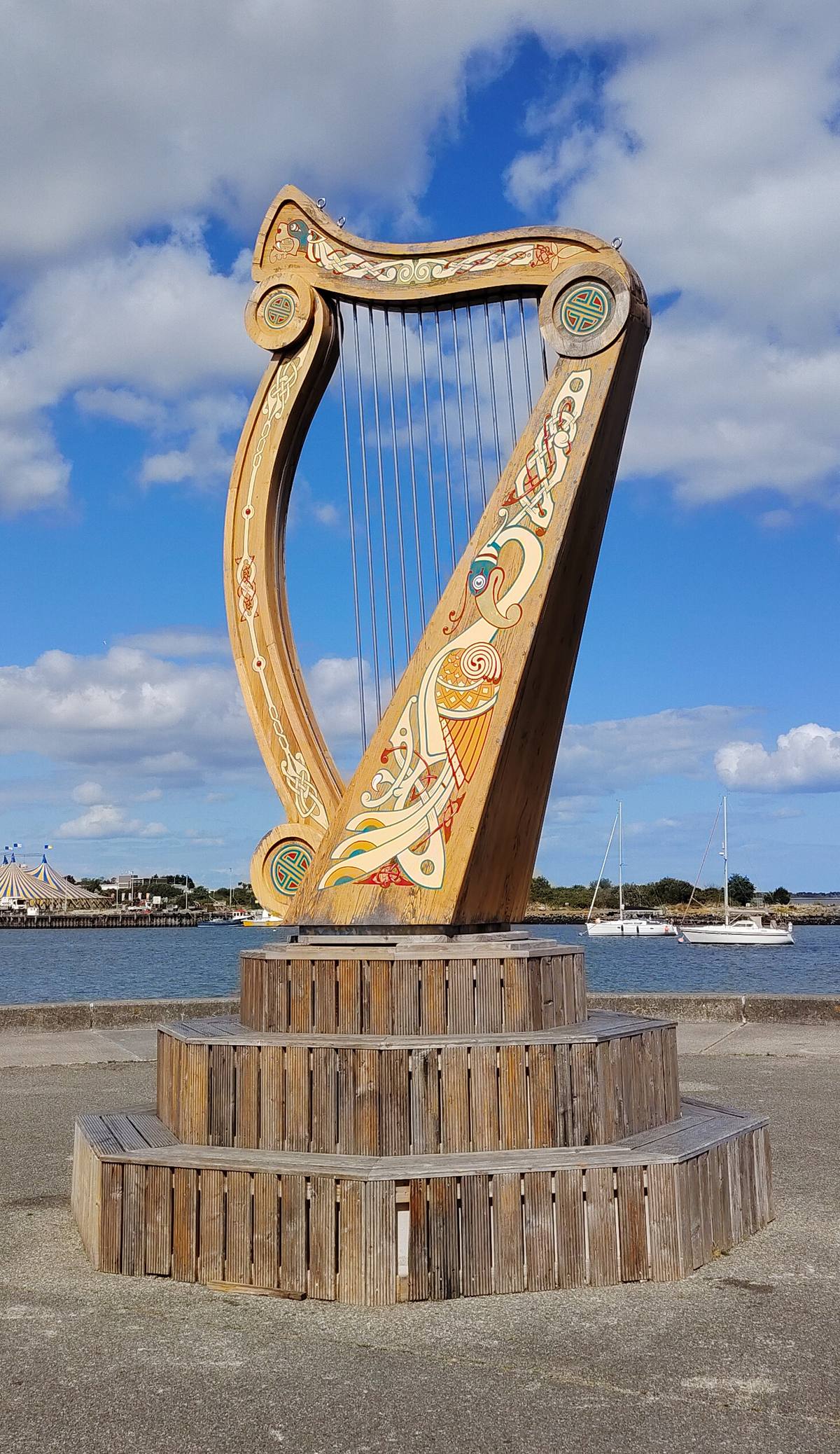
Cavan had waited a long time for its turn. The town’s only previous fleadh was the fourth one ever held, back in 1954, when the country was still getting used to the idea of a republic and the town was considerably easier to park in. Fifty-six years later, in August 2010, it came back. Then it came back again in 2011. And then, in a decision announced in September 2011 with Ennis and Sligo also in the running, Comhaltas gave the town a third year.
That three-year run was not quite as unusual as the local paper made it sound — Tullamore had just done 2007 to 2009, and Listowel, Sligo and Clonmel had all managed three straight back in the day. But for a small border town to hold the country’s biggest festival three summers in a row was still the kind of thing that made the Anglo-Celt reach for the exclamation marks. It did so, in bulk.
What the fleadh actually is
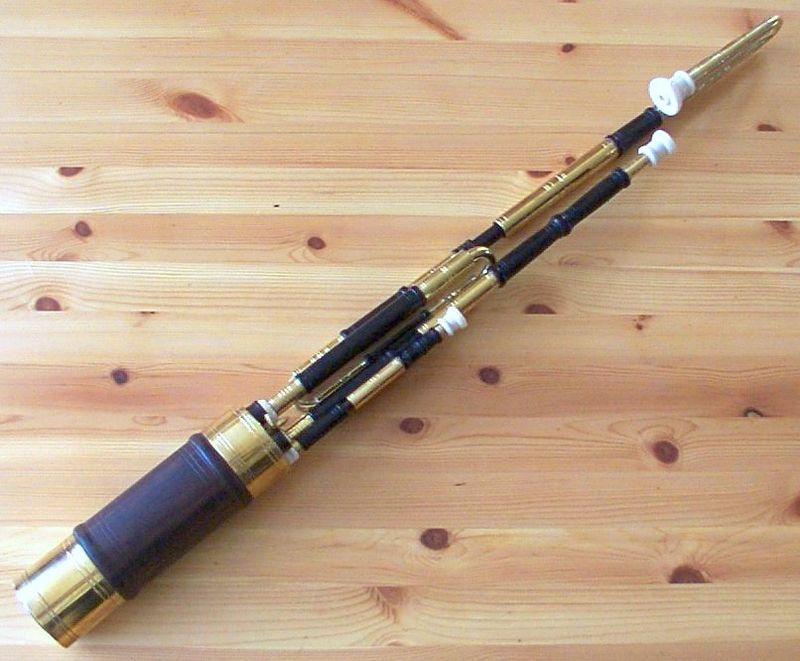
Strip away the bunting and the fleadh is a serious competition with a festival wrapped around it. Musicians qualify through county and provincial fleadhanna before they get anywhere near the All-Ireland. Once there, the solo categories alone cover fiddle, button accordion, flute, whistle, piano accordion, concertina, uilleann pipes, harp, banjo, mandolin, melodeon, mouth organ and piano — plus a category officially called “miscellaneous”, for anyone who turned up with a pair of spoons and a dream.
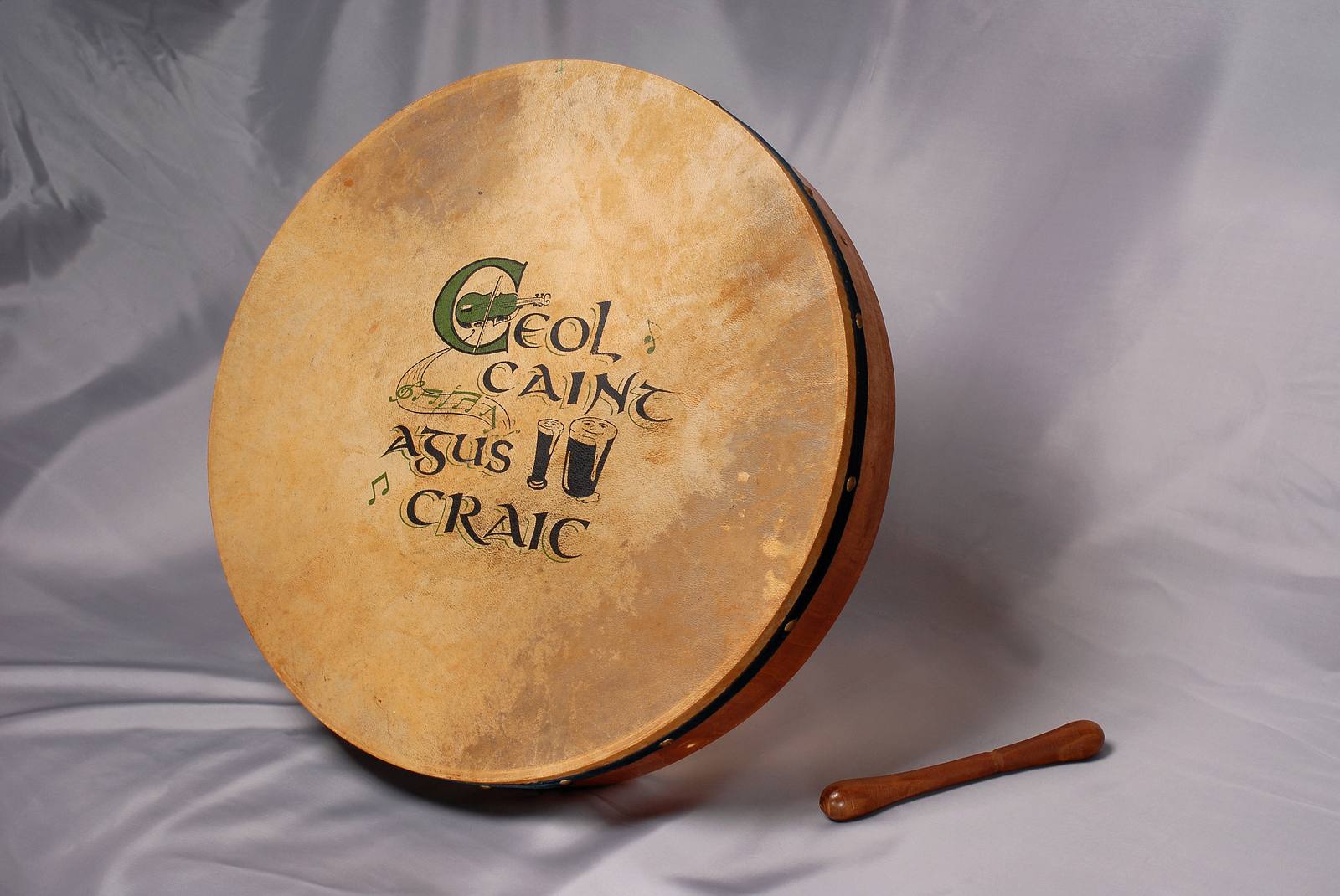
There is traditional singing in Irish and in English, lilting, whistling, storytelling and a conversational Irish competition that has been described, by people who lost, as the most terrifying hour in the language. The age categories run from under nine to over thirty-five, which means a nine-year-old concertina player can find herself competing in the same hall as a retired garda on the accordion, and both of them take it equally seriously. The serious ones have been practising since Christmas. The rest have been practising since they heard the fleadh was coming to Cavan, which for most of them was roughly January, which was not nearly enough.
What it was like to be in the town
If you were not there, the closest description is this: imagine your town, then imagine every pub, street corner and shop doorway filled with people playing music, most of them better than you, some of them better than anyone you have ever heard, and one of them definitely doing it in public for the first time. Sessions broke out wherever two musicians and a flat surface coincided. The fleadh’s own office ran from the Johnston Library and Farnham Building on Farnham Street, which remains the only known case of a library successfully running a festival attended by a quarter of a million people. The librarians have presumably never been allowed to forget it.
Beside the main event ran Scoil Éigse, the fleadh’s summer school, where a few thousand students took lessons from the masters. It rained, because it is Ireland in August and the fleadh committee had not managed to fix that yet. The gardaí, who had spent the previous eleven months directing traffic for funerals and the odd match, suddenly found themselves managing crowds the size of small cities. And when competition results needed to get from the venues back to the fleadh office, the organisers called on the Cavan Honda 50 Club, whose members delivered them across town on little motorcycles. That is the single most Cavan sentence ever written, and it is true.
The dates, for the record: 2011 ran from 13 to 22 August, 2012 from 10 to 20 August, and 2010 took the guts of a week in the middle of the month. RTÉ even ran a six-part series on the 2011 fleadh, presented by Aoibhinn Ní Shúilleabháin and John Creedon, because the national broadcaster correctly judged that a town full of musicians and a television crew would get on like a house on fire.
What it did to the town
The money figures get quoted a lot, and they are worth quoting. The fleadh is estimated to put somewhere between twenty and twenty-five million euro into the host town’s local economy every year. With crowds of that size, the shops, pubs, B&Bs and taxi drivers all saw the best August of their working lives, three years running. Every spare room within twenty miles was rented out. People who had never spoken to their neighbours suddenly knew exactly who had a nephew in Chicago with a fiddle, and what he charged.
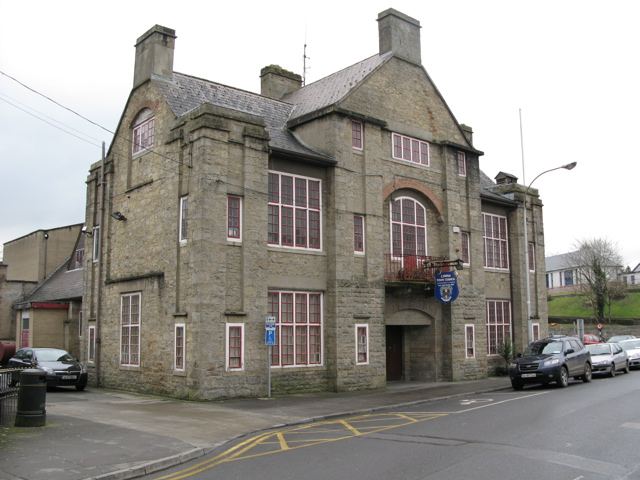
It changed the town’s idea of itself, too. A town that hosts the fleadh three times learns things about its own streets it never knew: which corner has the best acoustics, which pub table the good session will form around, and exactly how many people can fit on the square before the gardaí stop being polite about it. Cavan had been a market town, a county town, a place people passed through on the N3. For three summers it was the music capital of the country, and it wore the badge like it had been expecting it since 1954.
And then it ended
The fleadh moved on to Derry in 2013 — the first time it had ever been held in Northern Ireland — and the town went back to its normal Augusts, which involve a lot less accordion. But the conversation never really stopped. In September 2024 the Anglo-Celt reported that Comhaltas figures, led by the accordionist Martin Donohoe, were building a formal bid to bring the All-Ireland Fleadh back to Cavan for 2028 and 2029. The Wexford model was held up as the prize: six hundred thousand visitors and sixty million euro in a single year. The town knows the drill by now. It has the T-shirts, the Honda 50s and, somewhere in a shed, the bunting.
If the bid comes off, the fleadh will find Cavan ready for it. The pubs will be ready, the library will be ready, and the town will once again feed a quarter of a million people in a week — the way we still feed our own customers at Luso, Thursday to Sunday, with the menu built around dough that takes seventy-two hours and beef from a butcher a few miles up the road. The sessions, as they say, will go on.
Further reading
https://en.wikipedia.org/wiki/Fleadh_Cheoil
https://www.anglocelt.ie/2024/09/13/bid-to-bring-back-fleadh/