The McMahons of Cavan: A Clan History With Bears in It
The surname McMahon translates, with a straight face, as “son of the bear”. Not “descendant of the brave warrior” or “of the noble chieftain” — son of the bear, the animal, the one you do not want to meet on a dark lane. If you have ever known a McMahon, you have known a bear’s son, which explains a few things about them.
The name is Mac Mathúna in modern Irish, traditionally Mac Mathghamhna, and it came into use around the eleventh century. The old Irish word for bear was mathghamhain, which politely means “good calf” — a euphemism, because you did not name the bear to its face. The McMahons took the bear’s name anyway, which tells you the kind of people they were.
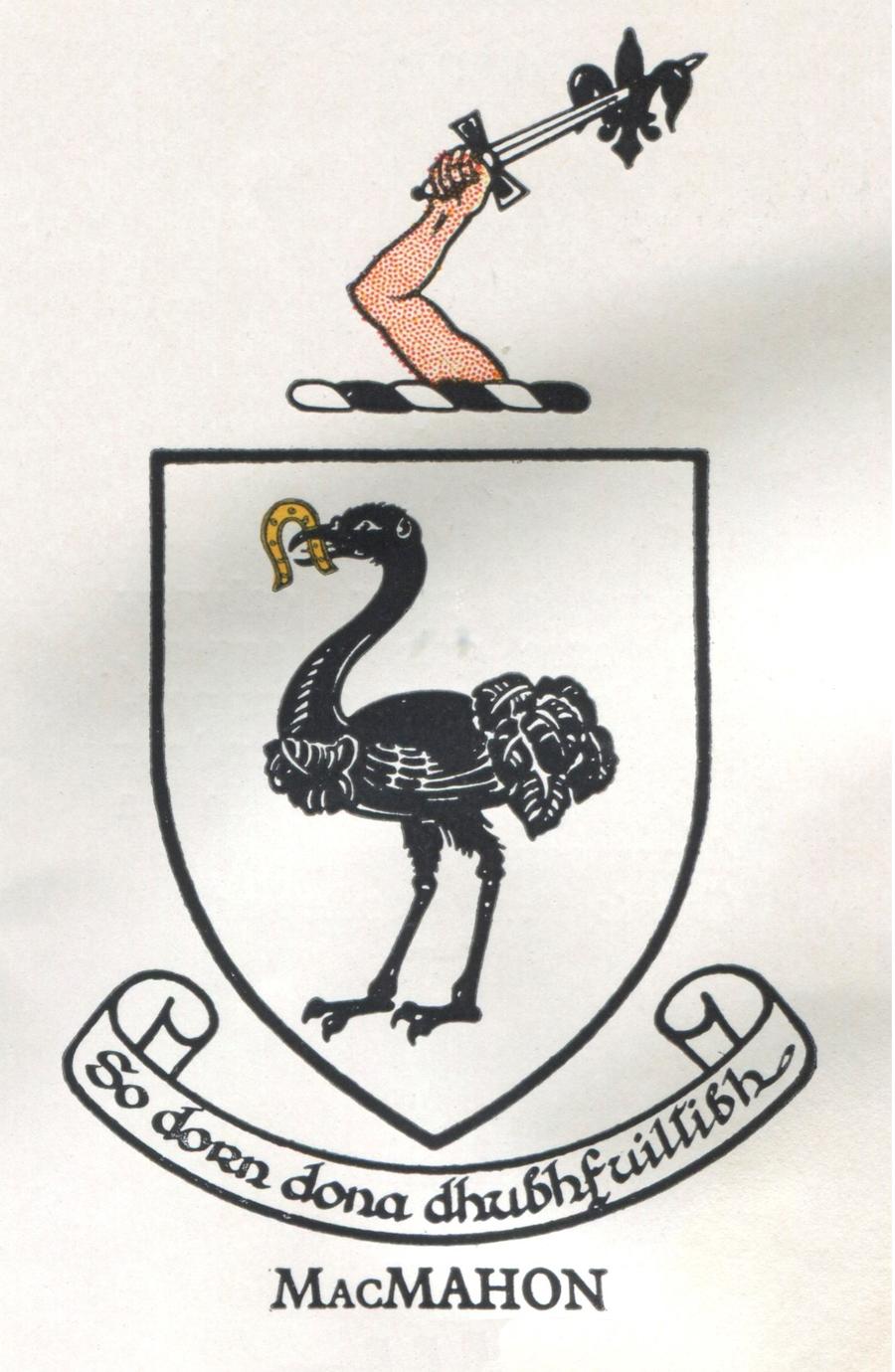
Here is the catch, and it is a good one: there was never just one McMahon clan. Two entirely separate families adopted the name around the same time — the MacMahons of Thomond in Clare, a sept of the great Dál gCais, and the MacMahons of Oriel in Monaghan, the rulers of the kingdom of Airgíalla. A third family in Fermanagh claimed descent from a grandson of the Maguire chief. So “McMahon” is less a single tribe and more a shared surname worn by several families who all got the bear reference.
The MacMahons of Oriel: the ones next door
For anyone in Cavan, the McMahons that matter are the Oriel ones, because they were the ruling dynasty of the kingdom right next door. Airgíalla — Oriel in English — was a medieval over-kingdom made up of a confederation of nine smaller kingdoms, at its peak stretching across parts of counties Armagh, Monaghan, Louth, Fermanagh, Tyrone and Londonderry. The name is thought to mean “hostage givers”, which was a medieval way of saying “we have all agreed not to kill each other’s sons, on paper, for now”.
The origin story is suitably grand and suitably dubious. According to legend, Airgíalla was founded by the Three Collas, three warlike brothers who conquered central Ulster around the year 331, defeating the king of Ulster and burning Emain Macha, the ancient capital, to the ground. Historians point out, gently, that this tale was probably written down centuries later to flatter an alliance with the Northern Uí Néill. It is a good story either way, and the McMahons have never been the sort of family to let facts get in the way of a better origin.
What is not in dispute is that the constricted kingdom of Oriel survived in Monaghan under the Mac Mathghamhna until the very end of the Gaelic order. In 1585 Rossa Boy MacMahon, the king of Airgíalla, agreed to surrender and regrant his territories to the English Crown, and the kingdom formally became County Monaghan, divided into five baronies mostly under native Gaelic chiefs — most of them MacMahons. It did not end well: four years later, after pressure over an English sheriff, a military force under Henry Bagenal was sent in, and by the summer of 1589 Rossa Boy was dead. His brother-in-law had been Hugh O’Neill, Earl of Tyrone, and his kinsman Brian Mac Hugh Og MacMahon of Dartree had married another of O’Neill’s daughters — the whole thing was one enormous, disastrous family arrangement, as Ulster politics tended to be.
The castle that still carries their name
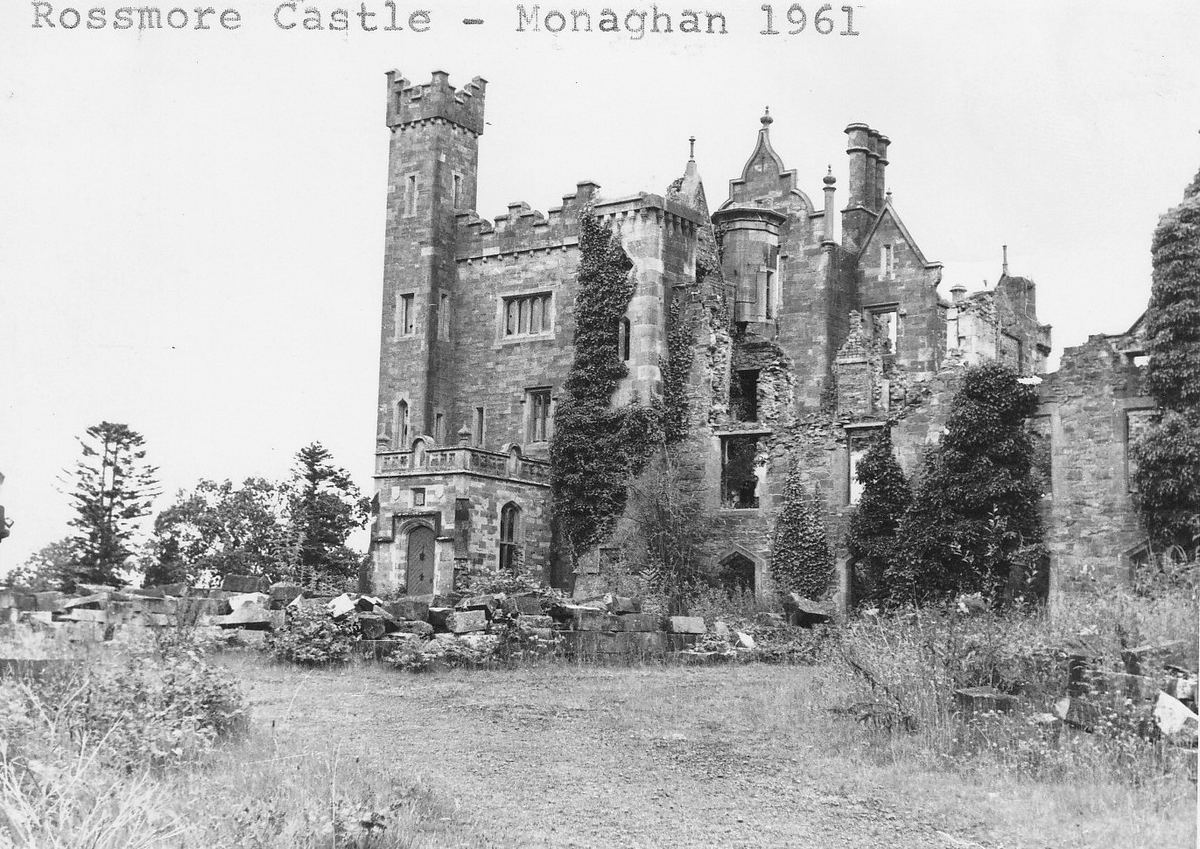
If you want a monument to the MacMahons that is still on the map, go to Castleblayney. The town’s original name was Caisleán Mathghamhna — “MacMahon Castle” — after the chieftains who ruled the area. After the Nine Years’ War, the Crown granted the forfeited MacMahon lands to Sir Edward Blayney, a Welshman, in 1611, and the town was renamed in his honour. A MacMahon castle, renamed for a soldier from Montgomeryshire, is still sitting on the Monaghan map four hundred years later, which the MacMahons would probably consider a fair summary of Irish history.
Bishops, generals and a president of France
The McMahons, being McMahons, did not restrict themselves to one line of work. They produced churchmen and soldiers in roughly equal measure, sometimes at the same time. Heber MacMahon, born in 1600 on the island of Inniskeen in Monaghan, was appointed Bishop of Clogher in 1643 and then, because one job was not enough, became a general of the Ulster army. He fought Cromwell’s forces at the Battle of Scarrifholis in 1650, lost, was captured, and was hanged and beheaded at Enniskillen. A bishop who went to war is a very McMahon thing to be.
The family also went continental. One branch, originally from Limerick, naturalised in France in the 1740s and rose through the French nobility. The standout was Patrice de MacMahon, a grandson of the first marquis, who became a Marshal of France, won the Battle of Magenta in 1859 — which earned him the title Duc de Magenta — and then served as President of the French Republic from 1873 to 1879. A Monaghan-adjacent surname, running France. The bear’s sons get around.
More recently, the name took over professional wrestling: Jess McMahon, Vincent J. McMahon, Vince McMahon and the rest of the WWE dynasty are the most famous McMahons on the planet, and the Australian prime minister Sir William McMahon holds the honour for people who prefer their McMahons in suits. Whatever else you say about the family, they do not do things by half.
The other McMahons
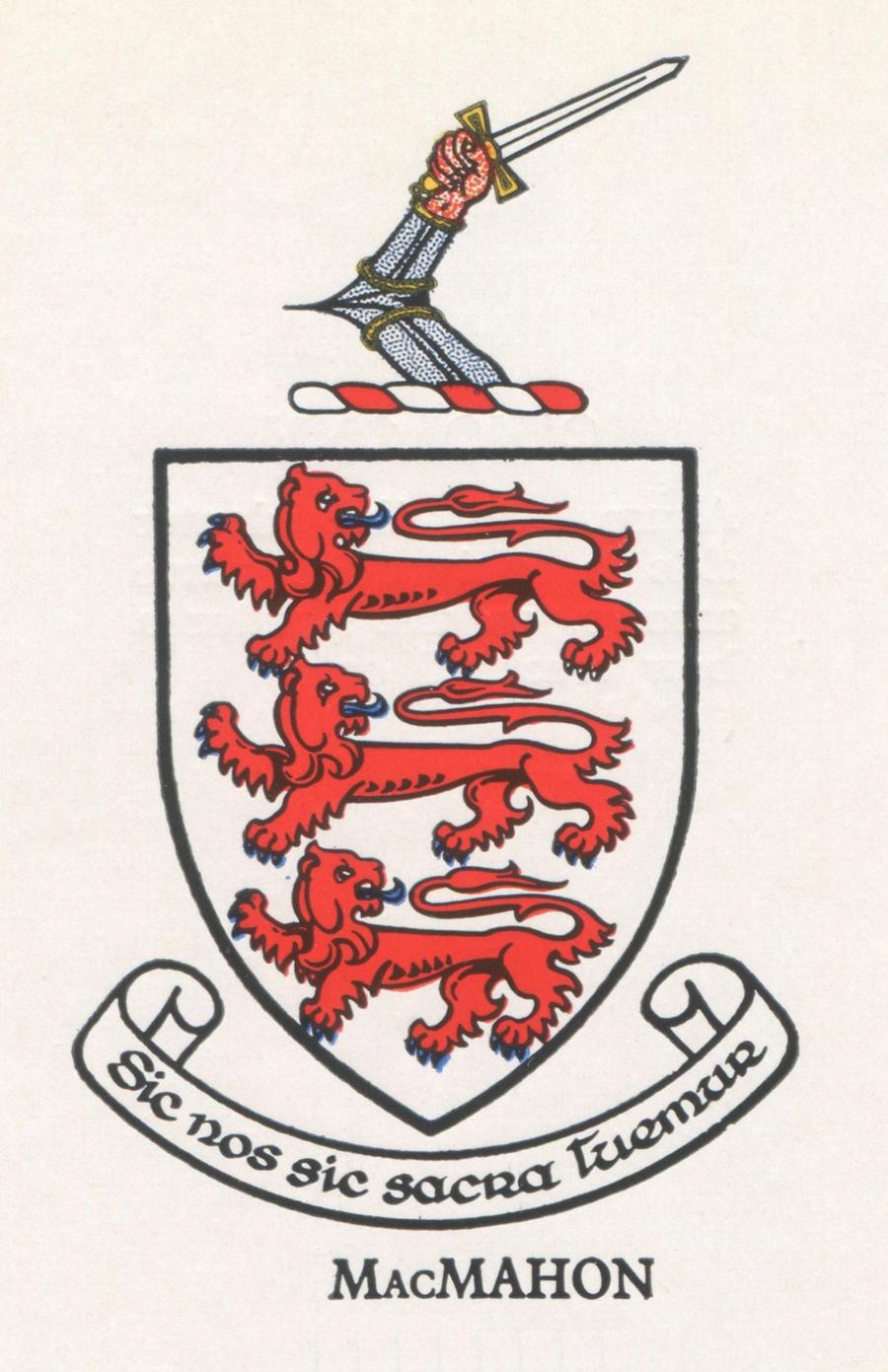
The Thomond MacMahons, in Clare, were a sept of the Dál gCais, the same tribal world that produced Brian Boru, and their arms carry three lions. The Fermanagh McMahons traced themselves to a grandson of Donn Carrach Maguire. So if you are a McMahon and you want to know which branch you come from, the honest answer is that the surname is a shared inheritance — Monaghan, Clare or Fermanagh — and the only thing all the branches agree on is the bear.
McMahons in Cavan
In Cavan itself, the ruling dynasty was always the O’Reillys — the kingdom of East Breifne, roughly the modern county, was ruled by the Ó Raghallaigh from the thirteenth century until the early 1600s. The McMahons were the dynasty next door, the ruling family of Oriel across the border. But surnames do not respect borders, and the McMahons spread across the Cavan–Monaghan border country generations ago. If you are tracing a Cavan McMahon, the civil records, the 1901 and 1911 censuses and the parish registers are where the trail starts, and the trail is a long one.
And one of them makes the pizza
Which brings us, inevitably, to Church Street. The proprietor of Luso in Cavan town is Ciaran McMahon, which means the bear’s sons have diversified from cattle-raiding, episcopal warfare and French statecraft into sourdough pizza and dry-aged smash burgers. If you would like to meet a McMahon doing honest work, the kitchen is open Thursday to Sunday at Luso, behind the Black Horse Inn, and the menu is worth the trip. The bear, it turns out, is excellent with dough.
Further reading
https://en.wikipedia.org/wiki/Airg%C3%ADalla
One Response